 Chunlei Mining Machinery

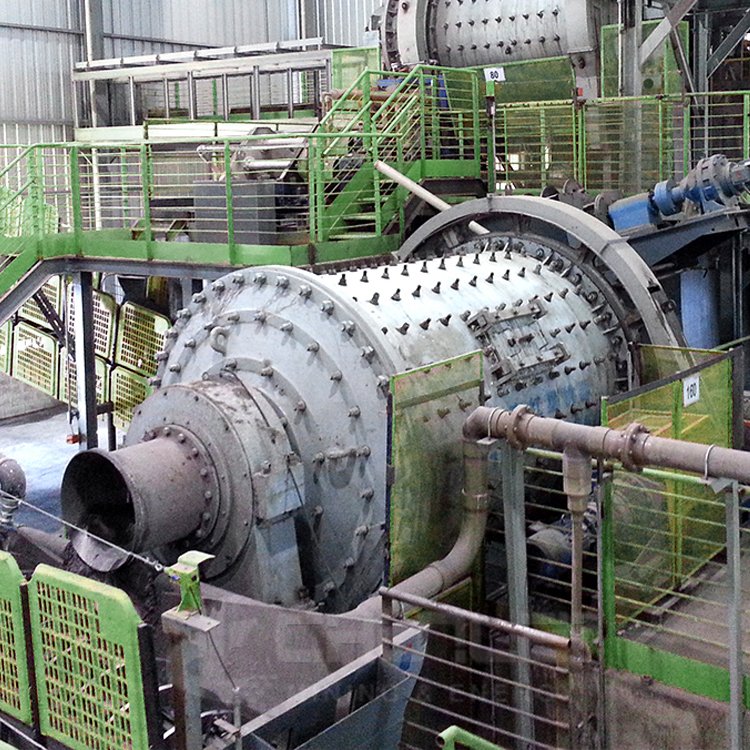
Rod Mill
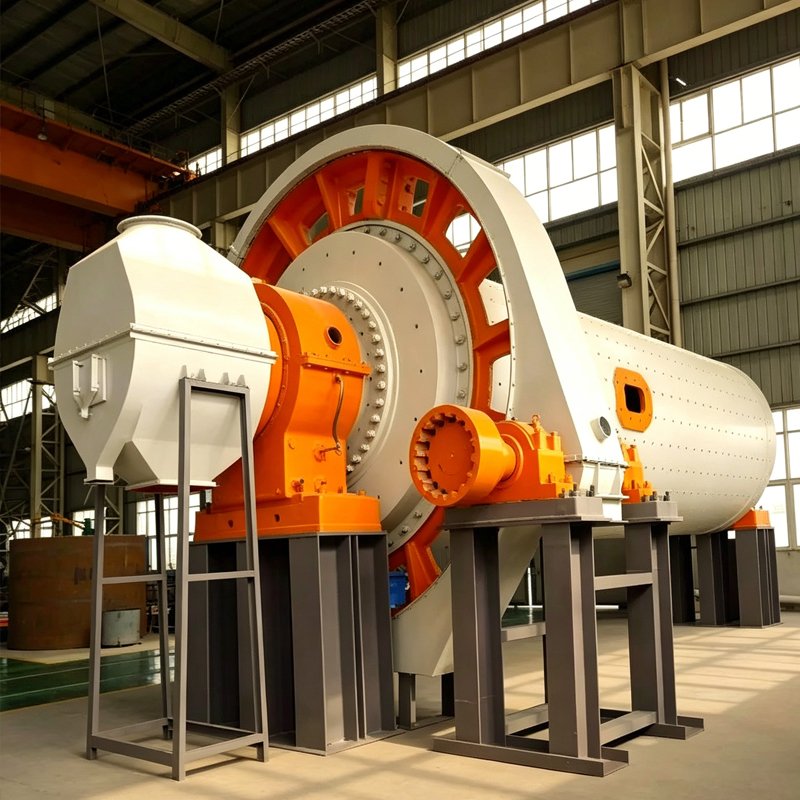
Rod mill is divided into dry rod mill and wet rod mill, dry rod mill is a kind of dry rod mill equipment with fine discharging granularity, wet rod mill is a grinding machine with steel rods as grinding media, mainly used for coarse grinding operation. Rod mill is a kind of simple structure, with international advanced level of rod mill, strong production capacity, especially suitable for dealing with fine-grained materials.
- Cylinder speed:18-38r/min
- Cylinder diameter:900-3600mm
- Capacity:0.4-250t/h
What is Rod Mill?
The rod mill is a type of cylindrical grinding equipment that utilizes steel rods as the grinding medium to reduce ore into a slurry with uniform particle size. It is widely used in industries such as mineral processing, quartz sand processing, manufactured sand production, coal chemicals, and building materials. The equipment operates by rotating the cylinder to drive the movement of the steel rods, which impact and grind the material to achieve the desired particle size.
Compared to ball mills, rod mills employ a line-contact grinding mechanism; this ensures that larger particles are pulverized first while finer particles avoid over-grinding. This effectively minimizes the issue of over-pulverization and results in a more uniform product size, making the equipment particularly suitable for coarse grinding operations and production processes that demand high-quality particle shapes. Consequently, rod mills serve as critical grinding units in mineral processing and sand-making lines, where they can be integrated with crushers, classifiers, and conveyors to form a complete production system capable of stable, efficient, and continuous operation.
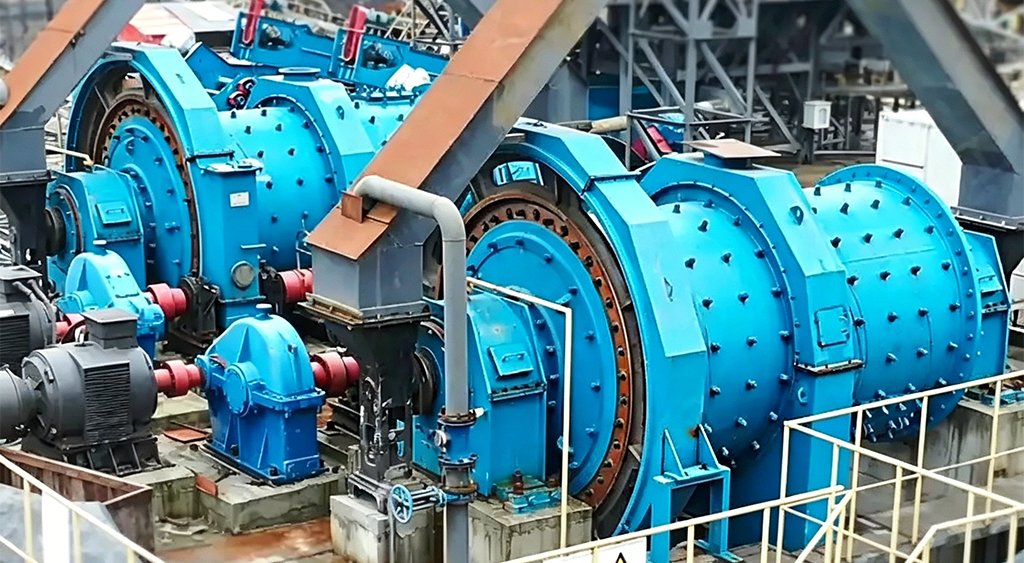
Working Principle of Rod Mill
The rod mill is driven by an electric motor through a speed reducer and peripheral large gear deceleration drive or by a low-speed synchronous motor directly through the peripheral large gear deceleration drive, driving the cylinder rotary. The cylinder is equipped with appropriate grinding media – steel rods. Under the action of centrifugal force and friction, the grinding media is lifted to a certain height and falls down in the state of throwing or draining. The material to be milled enters the inside of the cylinder continuously from the feed opening, is crushed by the moving grinding media, and the product is discharged out of the machine by the force of overflow and continuous feeding for the next section of the process operation.


Why Choose the CHUNLEI Rod Mill?
CHUNLEI rod mills offer advantages such as high grinding efficiency, uniform product particle size, stable operation, and low maintenance costs, making them suitable for production lines of various scales. Key advantages include:
- Minimal over-grinding: Utilizes line-contact grinding with steel rods, resulting in uniform product size and optimized particle gradation.
- Wide range of applications: Suitable for processing various materials, including quartz sand, copper ore, iron ore, lithium ore, and coal.
- Long service life: Key components are made from high-strength, wear-resistant materials, reducing the frequency of wear-part replacement.
- Low energy consumption: Optimized drive systems and grinding processes reduce energy usage while boosting production efficiency.
- Customization support: Tailored equipment configurations and production line solutions are available based on material characteristics, capacity, and discharge requirements.
- Comprehensive after-sales service: Includes process design, equipment installation, commissioning and training, and long-term technical support to ensure stable project operation.
CHUNLEI rod mills not only deliver efficient and stable grinding performance but also help customers enhance overall production profitability through customized solutions. Contact CHUNLEI engineers for a free solution.
Are rod mills suitable for wet or dry grinding?
Rod mills are available in both wet and dry versions, but in the vast majority of cases, wet grinding (wet processing) is the preferred choice. Wet rod mills are the mainstream option due to their smooth discharge and high efficiency.
1. Why is “wet grinding” usually recommended?
Wet processing is favored primarily for its production efficiency and energy performance. Because the slurry flows well, the wet method offers high throughput and low energy consumption, while also facilitating continuous production and achieving high reduction ratios. Wet rod mills reduce friction and energy use by employing rolling bearings instead of sliding bearings. Furthermore, the process takes place within a contained slurry environment, preventing dust pollution and eliminating the need for costly dust-control equipment.
2. What are the limitations and advantages of “dry grinding”?
The biggest advantage of dry grinding is that it requires no water or dewatering equipment throughout the process, making it the only choice for arid regions or when processing materials that react with water (such as cement clinker). Additionally, dry grinding for sand production results in very low steel rod consumption—only one-third that of wet grinding—and simplifies product storage.
However, in mineral processing or milling applications, the lack of moisture for lubrication and heat dissipation leads to higher internal temperatures. Consequently, the wear rate of steel rods and liners is two to four times higher than in wet grinding, and a dust removal system is essential to control pollution.
Recommendations:
- Wet grinding is the first choice: If you are processing metallic or non-metallic ores where water contact does not compromise material quality, and the site has an abundant water supply, a wet rod mill is the best option; it is the most widely used type for mineral processing and manufactured sand production.
- Consider dry grinding: If your project is located in a water-scarce region, or if the material being processed (such as certain construction aggregates) must not come into contact with water, a dry rod mill is a suitable choice—though you must be prepared to implement dust control and manage higher wear rates.
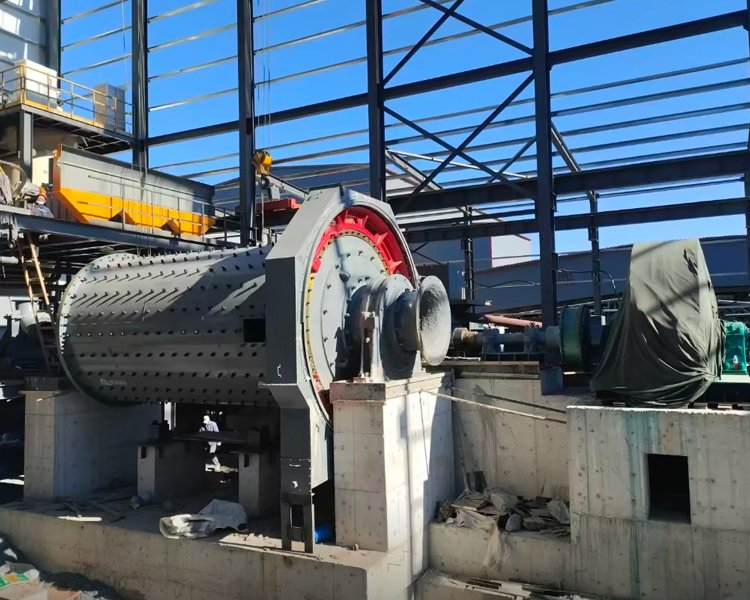
Why do rod mills minimize over-grinding?
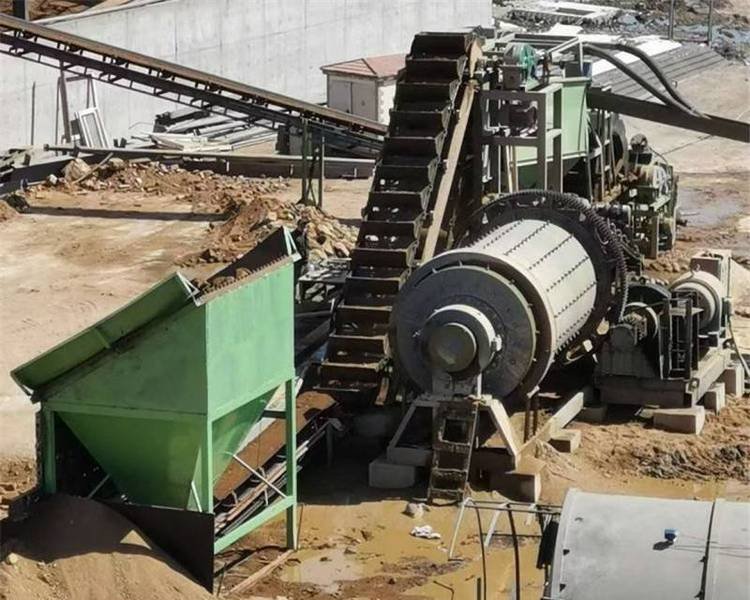
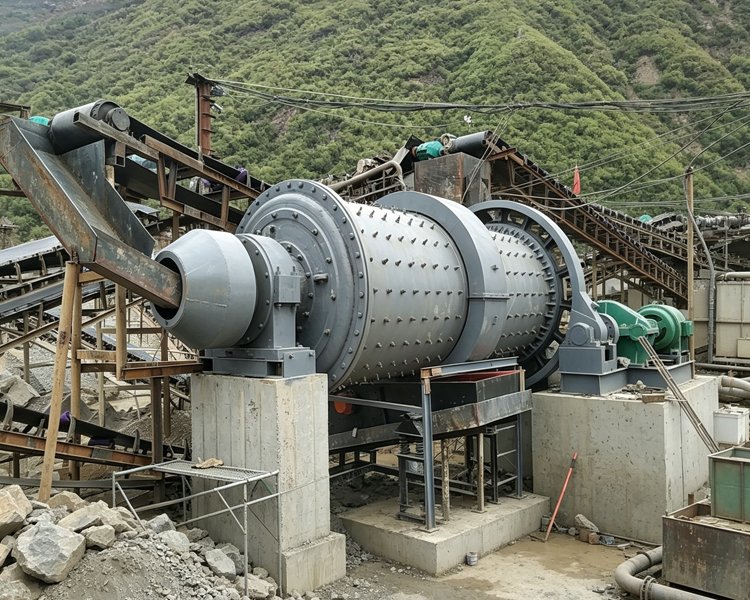
CHUNLEI rod mills utilize a unique “line-contact” grinding mechanism that effectively reduces material over-grinding. The steel rods inside the mill perform “selective grinding,” preferentially crushing coarse particles before progressively grinding finer ones. Additionally, as the steel rods rise, they act as a screen: fine particles quickly pass through the gaps and exit, while coarse particles remain to be crushed further. This mechanism prevents fine powder from undergoing repeated, ineffective grinding, ensuring a narrow particle size distribution and uniform product quality—thereby providing consistent feed material for subsequent high-efficiency mineral processing.
Are rod mills suitable for quartz sand production?
Rod mills are highly suitable for quartz sand production and are widely adopted in the industry. They effectively prevent over-grinding and are frequently used in deep-processing workflows where strict control over particle size distribution is required. They are compatible with 10–200 mesh quartz sand for glass and foundry applications; given quartz’s Mohs hardness of 7, these mills are ideal for processing and crushing raw materials such as feldspar, quartz, and river pebbles.
CHUNLEI offers customizable models featuring thickened, wear-resistant components; for requirements involving ultra-fine silica powder (finer than 300 mesh), please consult our engineers for a free customized solution.
How do you choose the right rod mill?
Selecting the appropriate rod mill requires a comprehensive assessment of factors such as material properties, desired product particle size, and the production method. Here are some specific recommendations:
Material Properties:
- Hardness: Rod mills are suitable for relatively brittle materials with a Mohs hardness of 5.5–12, such as rare metal ores (e.g., tungsten and tin ores).
- Moisture: Rod mills can handle both dry and wet materials; however, wet grinding requires attention to sealing and drainage design.
Product Particle Size:
- Coarse grinding (1–3 mm): Rod mills offer higher processing capacity, produce uniform output, and minimize over-grinding.
- Fine grinding (<0.5 mm): A ball mill is recommended, as rod mills may be less efficient for this range.
Production Method:
- Gravity or magnetic separation processes: Rod mills are the preferred choice (e.g., for rare metal ore processing).
- Sand making: Rod mills produce coarser particles, making them well-suited for sand-making applications.
Rod mills are ideal for coarse grinding and sand making, particularly with brittle materials; if fine grinding or the processing of very hard materials is required, consider a ball mill. Prices vary significantly based on configuration, so choose a reputable supplier to ensure quality and reliable after-sales service. Consult CHUNLEI engineers for a customized solution.
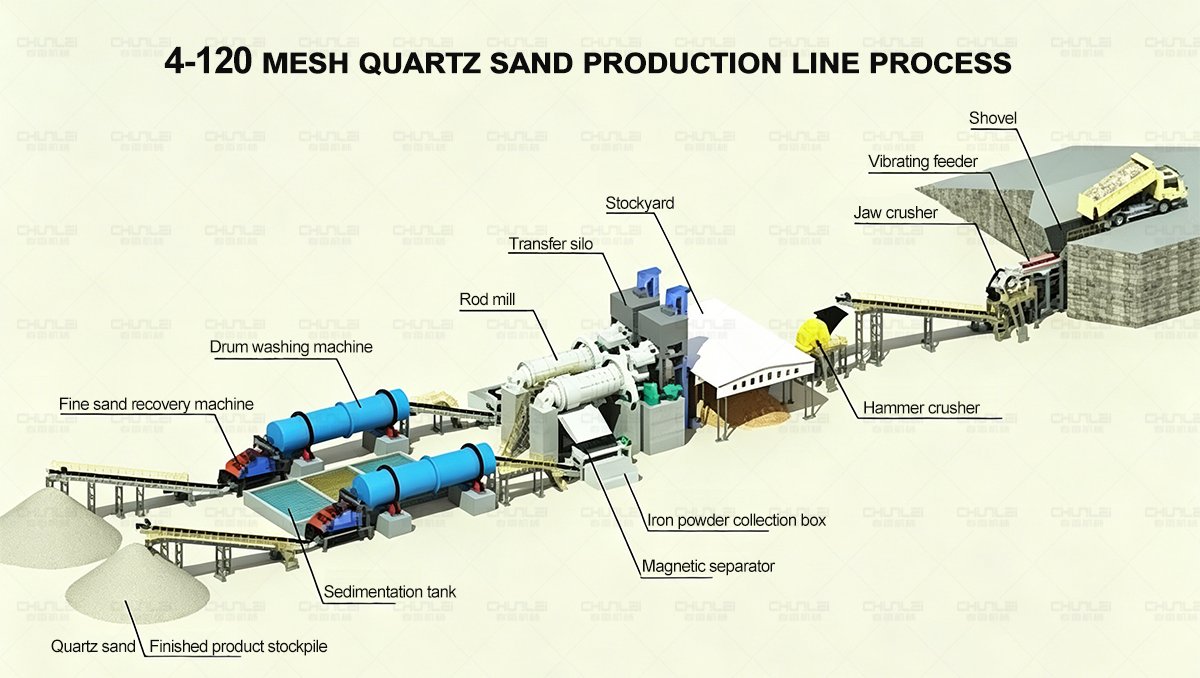
What auxiliary equipment is included in a complete rod mill production line?
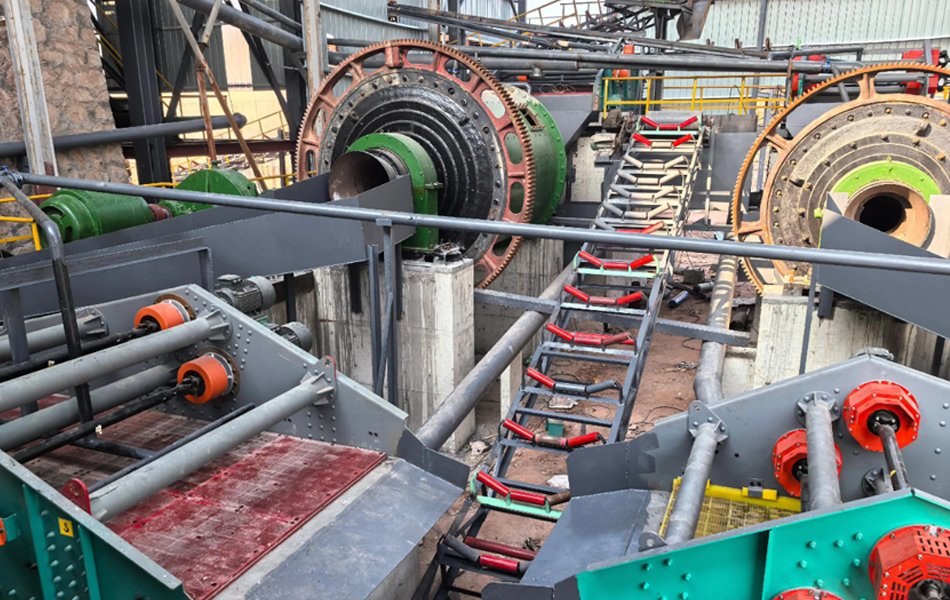
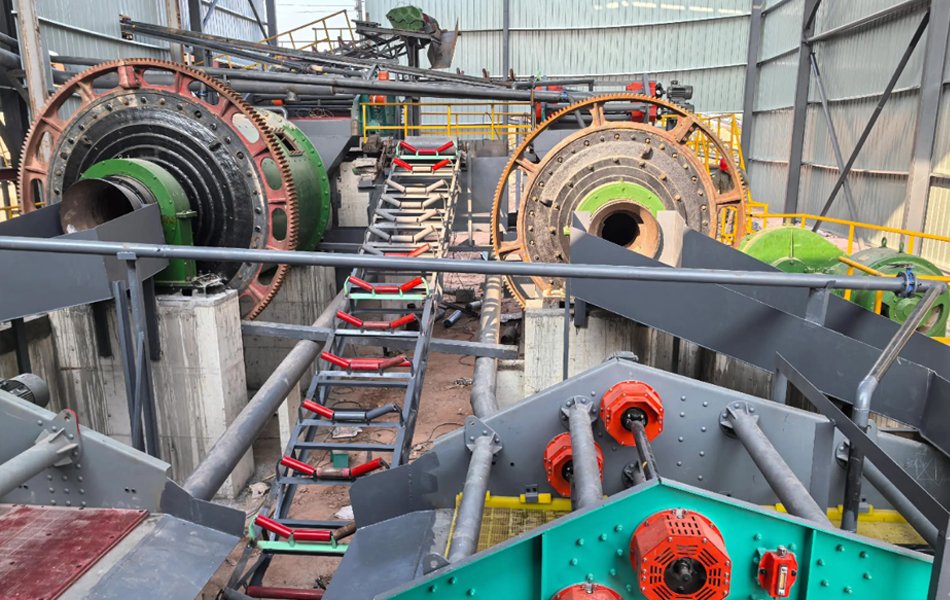
A complete rod mill production line comprises auxiliary equipment that supports four core stages: feeding, grinding, classification, and auxiliary operations.
Feeding and Pre-processing
- Feeder: The feeder delivers material evenly and at a controlled rate to downstream equipment, ensuring optimal grinding results.
- Crusher: Since rod mills typically require a feed size of ≤25mm or 50mm, equipment such as jaw crushers or cone crushers is needed to pre-process large raw materials and reduce them to the appropriate size.
Core Grinding: The rod mill grinds the material using steel rods inside the rotating drum, producing sand or slurry that meets specific requirements.
Classification and Purification:
- Spiral Classifier: This is the most common piece of auxiliary equipment used after the rod mill; it washes, classifies, and dewaters the discharged slurry, separating sand of the correct particle size from undersized fines or sludge.
- Vibrating Screen: In processes requiring stricter control over finished particle size, a vibrating screen is used for further screening; oversized or off-spec material can be returned to the rod mill for regrinding, creating a closed-loop circuit.
- Magnetic Separator: If product purity is a requirement (e.g., for iron removal), a magnetic separator can be added after the classification stage for purification.
Material Conveying and Storage:
- Conveyor: This runs throughout the production line, transporting material between the various pieces of equipment.
- Finished Product Bin: Used to store the final product.
What are the wear parts of a rod mill?
The wear parts of a rod mill are primarily found in three major systems: the grinding system, the drive system, and the support system.
| Component Name | Associated System | Primary Function | Typical Replacement/Maintenance Cycle or Standard |
| Liner | Grinding System | Protects the shell from direct impact and abrasion caused by steel rods and material. | Replacement required every 10 months to 1 year; service life can extend to 3–5 years if high-quality steel liners are used. Immediate replacement is necessary when wear reaches 70% or cracks exceeding 70mm appear. |
| Steel Rod | Grinding System | Core grinding medium; crushes material via “line contact.” | Replenished and replaced periodically based on wear rates. Replacement is recommended when the rod diameter wears down by approximately one-third of its original size. |
| Drive Gear | Drive System | Transmits power from the motor to the shell, driving its rotation. | Immediate replacement is required if severe gear tooth wear or broken teeth occur. Service life can be effectively extended by using an automatic spray lubrication system. |
| Main Bearing Shell/Bearing | Support System | Supports the weight of the entire rotating shell and ensures smooth rotation. | Replacement or repair is required when the Babbitt metal layer shows severe wear or spalling, or when axial or radial clearances become excessive and cannot be adjusted. |
If you would like to know how to select more durable materials for liners or steel rods under specific operating conditions—such as when processing high-hardness materials—please let me know the specific application scenario, and I will provide a detailed analysis.
Rod Mill Prices
- Small models (φ1.2–1.8m, hourly output 3–25 tons): $11,039.63–$52,990.20
- Medium models (φ2.1–2.4m, hourly output 30–120 tons): $67,709.70–$206,073.00
- Large mining models (φ2.7–3.2m, hourly output 90–200 tons): $242,871.75–$471,024.00
- Small laboratory sample-preparation rod mills: $735.98–$2,502.32
The total price of the unit is significantly influenced by factors such as shell plate material, high-manganese steel liners, dry/wet grinding configuration, steel rods, and the motor/control system setup; quotes for complete production lines include installation and wear-resistant spare parts.
Simply provide us with the equipment specifications and material type, and we will immediately issue a factory-direct price quote.
Technical Parameters of Dry Rod Mill
| Model | Cylinder specification(mm) | Cylinder speed (r/min) | Feed size (mm) | Discharge size(mm) | Capacity(t/h) | Power(kw) | Weight(t) | |
| Diameter | Length | |||||||
| MRS0918 | 900 | 1800 | 36-38 | ≤25 | 0.833-0.147 | 0.62-3.2 | 18.5 | 5.9 |
| MRS0924 | 900 | 2400 | 36 | ≤25 | 0.833-0.147 | 0.81-4.3 | 22 | 6.7 |
| MRS1224 | 1200 | 2400 | 36 | ≤25 | 0.833-0.147 | 1.1-4.9 | 30 | 13.9 |
| MRS1530 | 1500 | 3000 | 29.7 | ≤25 | 0.833-0.147 | 2.4-7.5 | 75 | 19.8 |
| MRS1830 | 1830 | 3000 | 25.4 | ≤25 | 0.833-0.147 | 4.8-11.6 | 130 | 34.9 |
| MRS2130 | 2100 | 3000 | 23.7 | ≤25 | 0.833-0.147 | 14-35 | 155 | 46.5 |
| MRS2136 | 2100 | 3600 | 23.7 | ≤25 | 0.833-0.147 | 19-43 | 180 | 48.7 |
| MRS2430 | 2400 | 3000 | 21 | ≤50 | 0.833-0.147 | 25-65 | 245 | 59.7 |
| MRS2736 | 2700 | 3600 | 20.7 | ≤50 | 0.833-0.147 | 32-86 | 380 | 92.5 |
| MRS2740 | 2700 | 4000 | 20.7 | ≤50 | 0.833-0.147 | 32-92 | 400 | 95 |
| MRS3245 | 3200 | 4500 | 18 | ≤50 | 0.833-0.147 | 64-180 | 630 | 149 |
Technical Parameters of Wet Rod Mill
| Model | Cylinder diameter (mm) | Cylinder length (mm) | Motor Model | Motor power (kW) | Motor RPM(r/min) | Length (mm) | Width (mm) | Height (mm) | Capacity (t/h) | Effective volume (m3) | Weight (kg) |
|---|---|---|---|---|---|---|---|---|---|---|---|
| MBY 0918 | 900 | 1800 | Y225M-8 | 22 | 730 | 4980 | 2370 | 2020 | 0.62~3.2 | 0.9 | 5700 |
| MBY 0924 | 900 | 2400 | Y250M-8 | 30 | 730 | 5670 | 3280 | 2020 | 0.81~4.3 | 1.2 | 5880 |
| MBY 1224 | 1200 | 2400 | Y280M-8 | 45 | 730 | 6450 | 2800 | 2500 | 0.4~4.9 | 2.28 | 12308 |
| MBY 1530 | 1500 | 3000 | JR125-8 | 95 | 725 | 7935 | 3185 | 2280 | 5 | 19990 | |
| MBYg 1530 | 1500 | 3000 | JR117-8 | 80 | 725 | 7253 | 3070 | 2280 | 2.4~7.5 | 5 | 21210 |
| MBYg 2130 | 2100 | 3000 | JR136-8 | 180 | 735 | 8122 | 4220 | 3073 | 14~35 | 9 | 42123.5 |
| MBYg 2136 | 2100 | 3600 | JR137-8 | 210 | 735 | 8958 | 4320 | 3025 | 43~61 | 10.8 | 45800.5 |
| MBYg 2430 | 2400 | 3000 | JR138-8 | 280 | 735 | 9004.5 | 4836.4 | 3490 | 11.5 | 55795 | |
| MBYg 2732 | 2700 | 3200 | JR157-8 | 320 | 750 | 10509 | 5000 | 3620 | 15.7 | 83110 | |
| MBYg 2736 | 2700 | 3600 | JR158-8 | 380 | 743 | 10764 | 5750 | 3620 | 32~86 | 17.7 | 90441 |
| MBY 2740 | 2700 | 4000 | TDMK400-32 | 400 | 187.5 | 12300 | 5700 | 4700 | 43~110 | 20.4 | 75000 |
| MBY 3040 | 3000 | 4000 | JR1510-8 | 570 | 740 | 9800 | 3900 | 3900 | 54~135 | 26 | 90000 |
| MBY 3245 | 3200 | 4500 | TDMK800-36 | 800 | 167 | 14600 | 7000 | 5300 | 64~180 | 31 | 113000 |
| MBY 3645 | 3600 | 4500 | TDMK1250-40 | 1250 | 150 | 15200 | 8800 | 6800 | 80~230 | 41.8 | 139000 |
| MBY 3654 | 3600 | 5400 | TDMK1600-40 | 1600 | 150 | 15900 | 8800 | 6800 | 100~250 | 49.7 | 150000 |
Rod Mill FAQ
Q: How do I choose between a rod mill and a ball mill?
A: Rod mills produce uniform particle sizes with minimal over-grinding, making them ideal for coarse grinding and sand making; ball mills are better suited for fine grinding in mineral processing. Rod mills are the preferred choice for processing quartz sand or steel slag into sand.
Q: What is the maximum feed size for a rod mill?
A: The standard feed size is ≤50mm, with an optimal range of 20–30mm; oversized feed reduces output and accelerates steel rod wear.
Q: Can a wet rod mill be converted to a dry type?
A: Yes; this requires only the installation of sealed end caps and a dust removal system. The conversion process is quick, and we offer complete modification packages.
Q: Does the rod mill price include steel rods and liners?
A: The base machine quote excludes steel rods, high-manganese steel liners, and the motor/control system; wear parts can be selected separately, or we can provide a quote for the complete unit.
Q: What is the typical service life of the steel rods?
A: They last 3–6 months when grinding ordinary ore; for hard materials like quartz, the lifespan drops to 1.5–3 months. We offer high-wear-resistance alloy steel rods.
Q: Why do the steel rods tangle during operation?
A: This is usually caused by improper rotation speed, inconsistent rod lengths, or excessive filling volume; adjusting the rod mix ratio and filling rate resolves the issue.
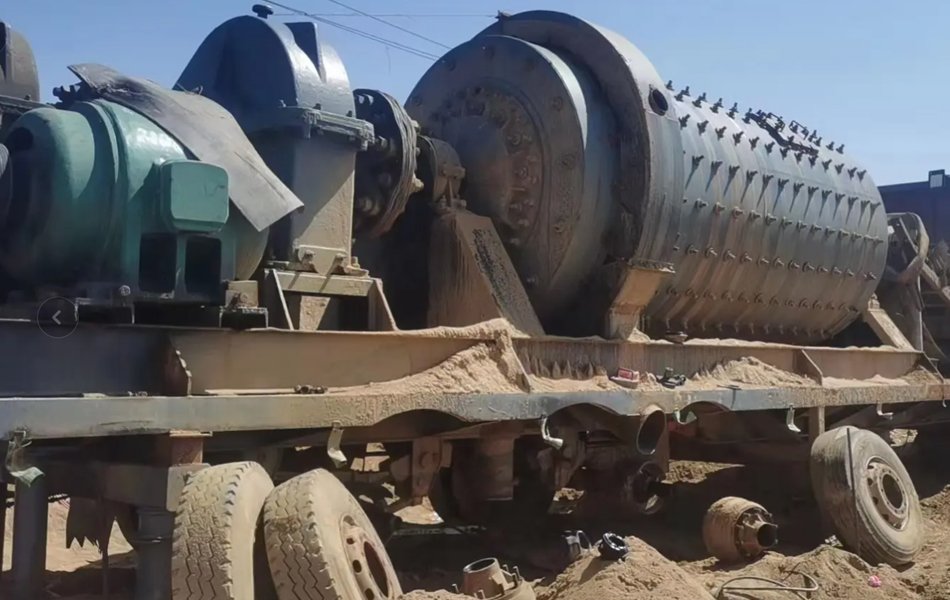
Q: Do you offer second-hand rod mills in near-new condition?
A: Yes, we have used equipment in stock at 45%–60% of the new machine price; units are inspected and serviced before shipment and come with a six-month warranty.
Q: Can you provide a configuration plan for a complete mineral processing line?
A: Yes; we offer free equipment selection planning based on your material, output requirements, and desired discharge particle size, including matching classification and screening equipment.
Q: What causes slurry leakage from the mill shell?
A: It is usually due to loose liner bolts or aging seals; regular bolt tightening and seal replacement effectively solve the problem.
Q: Can export orders be quoted on an FOB basis?
A: Yes, we can provide customs declaration documents and container loading plans.
Related Products —
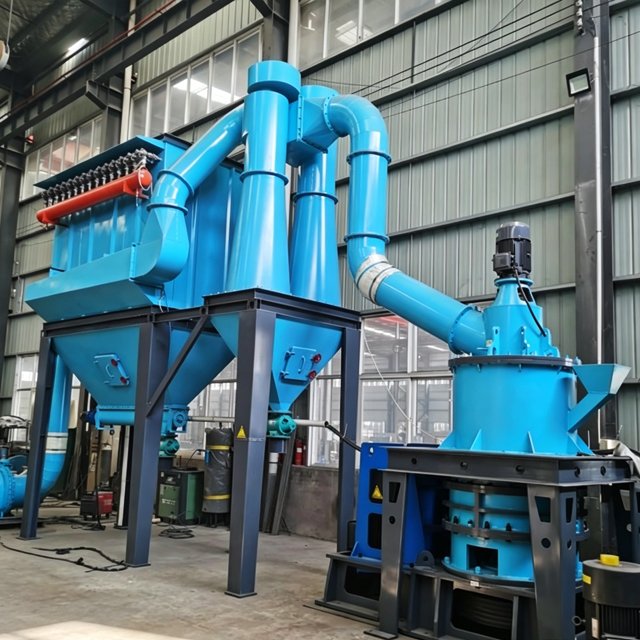
Ultrafine Powder Grinding Mill
The Ultrafine Powder Grinding Mill (a medium-speed, micro-powder mill featuring a three- or four-ring design) is a high-efficiency, low-consumption processing unit developed by CHUNLEI’s R&D team through extensive innovation, testing, a…
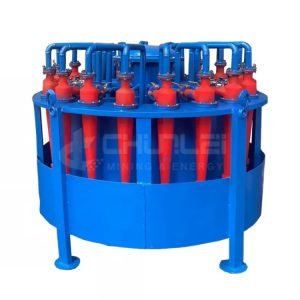
Hydrocyclone
Hydrocyclone adopts involute feeding mode, this involute feeding mouth is conducive to increase the centrifugal force of the material, improve the classification effect, and greatly reduce the wear and tear of the feed box. The working…
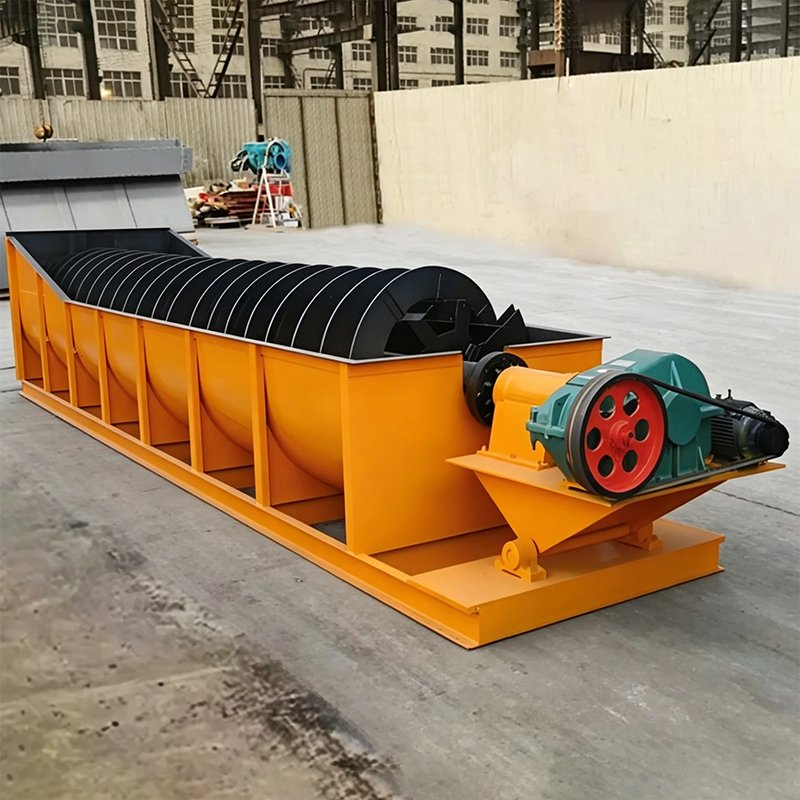
Submerged Spiral Classifier
Spiral classifier is a classifier with the spiral at the overflow end fully submerged under the liquid surface, commonly used in two-stage classification. In production lines such as mining, sand processing, and t…
Ball Mill in Cement Industry
Ball Mill in Cement Industry offer capacities ranging from 10 to 500 tons per hour, capable of grinding raw materials—such as cement clinker, slag, gypsum, and limestone—into finished cement products that meet specific fineness requirements. T…
Jigging Separator
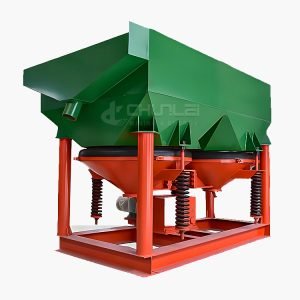
Jigging separator is a heavy separation equipment that utilizes the different settling speeds of minerals in the vertical alternating water flow to achieve the separation of light and heavy minerals. Jigging Separator…
loading…
已经是到最后一篇内容了!